00:00 Intro We breathe 20,000 times a day without thinking about it — yet this automatic act can be trained, strengthened, and optimized
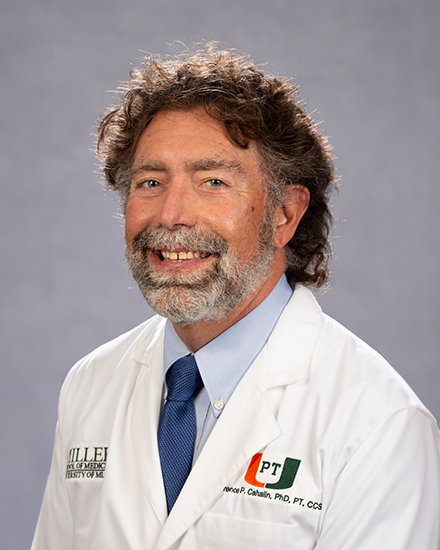
00:23 Guest Introduction Dr. Lawrence Cahalin’s background: clinical professor at University of Miami, board-certified cardiopulmonary specialist, fellow of the APTA and American Heart Association, PhD in gerontology
01:16 Episode Overview Respiratory muscle training and its effects on cognition, heart rate variability, blood pressure, and autonomic nervous system function — and why breath may be the most accessible training tool we have
02:02 Welcome & Sponsor Dr. Brent intro and Polestar Pilates sponsorship
03:29 Conversation Begins Larry’s latest systematic review on respiratory muscle training and cognitive performance — and why breath is one of the most powerful ancient tools now being validated by evidence
04:59 Live Pulse Demo Larry guides Dr. Brent through a real-time experiment: taking your pulse and feeling it change with deep breathing
05:45 Sinus Arrhythmia & Heart Rate Variability Why a slightly irregular pulse during deep breathing is a sign of good health — and what it tells us about autonomic nervous system function
07:44 The Mechanics of Breath How diaphragm movement creates pressure changes that fill the lungs, draw blood into the heart, and influence the autonomic nervous system
09:43 The Ribcage, the Heart & Pilates Why thoracic movement matters — and how Pilates positions like roll-ups, swan, and rotation affect circulation around the heart and lungs
11:58 Breath Strategies: Does the Type Matter? Chest breathing vs. diaphragmatic vs. belly breath — and whether strategy affects how well vagal and stress-reduction techniques actually work
13:37 The Research: Doug Seals at CU Boulder High-intensity inspiratory muscle training at 60–80% maximal capacity improves blood pressure, nitric oxide, cerebral vascular reactivity, and mitochondrial metabolism — from breathing alone
15:10 Reframing Breath Capacity “Most bad breathers I know are dead” — how to remove fear from the conversation while opening the door to meaningful improvement
17:00 Larry’s Research at University of Miami Congenital heart disease in children, low back pain, heart failure, and metabolomics — including the first paper on fat oxidation through RMT
17:54 What Is Respiratory Muscle Training? What RMT looks like in practice, how threshold and spring-loaded devices work, and who can benefit — including people who can’t walk or exercise
21:22 The Respiratory Metaboreflex How weak breathing muscles steal blood from the legs — and why strengthening them allows people to walk farther with less shortness of breath
26:09 Contraindications & Devices The Pro2, Powerbreathe, and threshold devices; when to consult a cardiologist first; and a DIY COVID-era option using a $10 sphygmomanometer
27:02 Athletes, Ice Hockey & Cognitive Clarity RMT improved skating performance — and players reported being able to see and think more clearly on the ice
27:43 Breath, Brain Blood Flow & Cognition Inhalation draws venous blood out of the brain; exhalation drives arterial blood in — and respiratory muscle performance correlates significantly with MoCA, NeuroTrax, and R-band cognitive scores
33:03 Wim Hof Breathing: What the Literature Says Hyperventilation, breath holding, intermittent hypoxia, BDNF, and VEGF — what research actually shows and where the evidence is still developing
36:34 Self-Efficacy, Movement & Pain Lessons from Pilates and chronic low back pain research: physical measures weren’t predictive of recovery — self-efficacy was, and successful movement experiences are what shift it
38:33 Ancient Wisdom, Modern Validation Pilates, yoga, Tai Chi, Qigong — breath techniques embedded for thousands of years that science is only now confirming, including cognitive performance gains from RMT
43:13 Entrainment, Sleep & the Nervous System How breath can synchronize with EEG brain signals — and what this means for fragmented sleep, neural efficiency, and a teaser on vagal nerve research ahead
45:55 Closing Reflections Breath as both stress reducer and energizer; the promise of RMT for cognition and aging; Joseph Pilates’ 1940s formula for health — movement, nutrition, sleep, hygiene, fresh air, and play
49:27 Outro Leave a review, follow Dr. Brent at @drbrentpt, Principles of Movement on Amazon, and a final reminder to live aligned and be kind