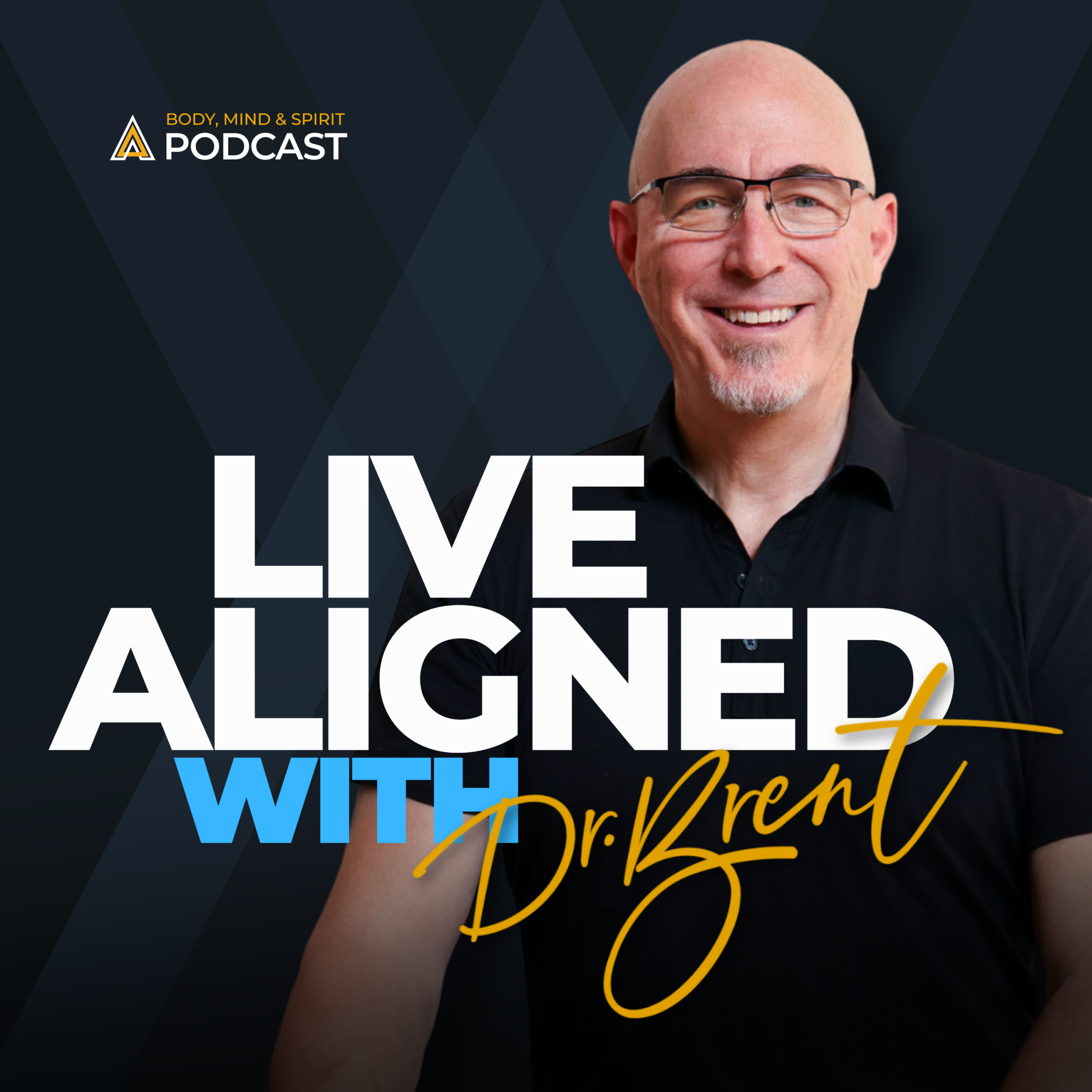
S1EP4 – Hope Over Fear: Early Parkinson’s Diagnosis with Dr. Andrew Lerman

Parkinson's disease is one of the most recognized neurological conditions—yet for the millions of people diagnosed and the families who support them, it often brings more questions than answers. What does this diagnosis really mean? How quickly will things change? And most importantly, is there hope?

Listen on:

Listen on:

It can feel like Parkinson’s disease is everywhere — a parent, a friend, a colleague — and with that familiarity often comes fear. But the story we’ve been told about Parkinson’s is changing fast. Dr. Brent Anderson is joined by Dr. Andrew Lerman, a double board-certified neurologist and epileptologist and the founder and medical director of Grove Neurology in Miami, Florida, who has led more than 35 clinical trials investigating new treatments for Parkinson’s, Alzheimer’s, and other neurodegenerative disorders.

Dr. Lerman — a passionate advocate for movement, including Pilates, as medicine for the brain — explains why early diagnosis is reshaping the outlook for patients, what the first signs actually look like, and how exercise may be one of the most powerful interventions available. Together, he and Dr. Brent explore how to counsel patients with hope rather than fear, why community and family support change outcomes, and the emerging research suggesting that staying active can tap into the brain’s own dopamine reserves — without the disease having the final word.

IN THIS EPISODE:

  • Why earlier diagnosis and new tools (DAT scans, MRI, skin biopsy, CSF labs) are changing the Parkinson’s outlook
  • The early signs worth paying attention to — tremor, small handwriting, a softer voice, and changes in gait
  • The difference between rigidity and spasticity, explained in plain language
  • How aerobic exercise, strength training, Pilates, boxing, and dance can slow progression and reduce the need to escalate medication
  • The truth about the “starting medication starts the clock” myth
  • What deep brain stimulation, FDA-approved focused ultrasound, and GLP-1 research mean for the future
  • Why community, connection, and consistent movement may matter as much as any prescription

RESOURCES MENTIONED:

  • Dr. Andrew Lerman — Grove Neurology, Miami, FL
  • Rock Steady Boxing — group exercise program for people with Parkinson’s
  • Power of Parkinson’s — online library of at-home exercise routines and resources
  • Dr. Brent’s community Pilates documentary — his 10-year Coral Gables program for a Parkinson’s support group (available on YouTube)
  • Miami / St. Augustine University Physical Therapy program — Rock Steady (Dr. Miguel Garcia) and fall-prevention (Gabriel Somariba)
  • Argentine tango research for Parkinson’s — referenced in the episode for its effects on balance, falls, and disease progression
  • Pilates and fall-prevention research (Peggy Roller, California) — referenced in the episode
  • The Anxious Generation by Jonathan Haidt — referenced on Gen Z mental health and the value of unstructured, active play

SOURCES AND CITATIONS:

  • van der Kolk NM, de Vries NM, Kessels RPC, et al. Effectiveness of home-based and remotely supervised aerobic exercise in Parkinson’s disease: a double-blind, randomised controlled trial (Park-in-Shape). Lancet Neurol. 2019;18(11):998-1008.
  • Schenkman M, Moore CG, Kohrt WM, et al. Effect of high-intensity treadmill exercise on motor symptoms in patients with de novo Parkinson disease: a phase 2 randomized clinical trial (SPARX). JAMA Neurol. 2018;75(2):219-226.
  • Xu Q, Park Y, Huang X, et al. Physical activities and future risk of Parkinson disease. Neurology. 2010;75(4):341-348.
  • Fang X, Han D, Cheng Q, et al. Association of levels of physical activity with risk of Parkinson disease: a systematic review and meta-analysis. JAMA Netw Open. 2018;1(5):e182421.
  • Meissner WG, Remy P, Maltête D, et al. Trial of lixisenatide in early Parkinson’s disease. N Engl J Med. 2024;390(13):1176-1185.

00:00 Guest Introduction

Dr. Brent introduces Dr. Andrew Lerman — a double board-certified neurologist and epileptologist, founder of Grove Neurology in Miami, and principal investigator on more than 35 clinical trials in Parkinson’s, Alzheimer’s, and other neurodegenerative disorders.

00:57 Episode Overview

A preview of the conversation ahead: what modern science says about Parkinson’s progression, the power of early diagnosis, and why movement may be one of the most potent interventions available.

03:23 The Information Age: More Knowledge, More Fear

Dr. Lerman opens on why so many people — including younger patients — now arrive worried after researching symptoms online, and how better information brings both anxiety and an encouraging shift toward earlier diagnosis and prevention.

05:24 Early Signs and How Patients First Present

The symptoms that most often bring people in — tremor, slowed movement, changes in speech, and a shuffling gait — and the fear that frequently accompanies that first appointment.

06:12 How Parkinson’s Is Diagnosed Today

Why the physical exam remains the gold standard, and how tools like DAT scans, MRI, skin biopsies, and spinal fluid analysis now add objective support to the diagnosis.

07:55 Why Progression Varies — Genetics vs. Lifestyle

A look at why no two patients follow the same path, and Dr. Lerman’s view that environment, fitness, and overall health often matter more than genetics in how the disease unfolds.

10:22 The Case for Exercise: Evidence and the Triad

The growing research behind high-intensity, cardiovascular, and resistance exercise — including studies showing markedly lower Parkinson’s risk — and the aerobic, strength, and balance “triad” Dr. Lerman recommends.

13:28 The Coral Gables Program and a Changed Outlook

Dr. Brent recalls a ten-year community Pilates program for people with Parkinson’s whose participants needed little change in medication — an experience that reshaped his outlook on a disease once dismissed with “diagnose and adios.”

15:30 Motor and Non-Motor Signs and Symptoms

A practical tour of what to watch for — tremor, shrinking handwriting, a quieter voice, and slowed movement — alongside the often-overlooked non-motor symptoms like anxiety, mood changes, and loss of expression.

19:56 Rigidity vs. Spasticity

Dr. Lerman clears up a common point of confusion, explaining how the stiffness of Parkinson’s differs from the spasticity seen after spinal cord or brain injury.

21:16 Community Exercise and the Research Behind It

How group exercise programs that once seemed ahead of their time are now backed by randomized trials — including the Park-in-Shape and SPARX studies — showing real effects on progression and medication needs.

23:25 Preventing Falls and the Social Determinants of Health

Since most people don’t die from Parkinson’s itself, the focus turns to preventing falls — and to the reality that access, education, and resources can shape how quickly the disease progresses.

24:32 The Peggy Roller Falls-Prevention Pilates Study

Dr. Brent describes a Pilates study of people with serious fall histories in which every participant moved out of the high-risk category after twelve weeks.

25:49 Why You Shouldn’t Face Parkinson’s Alone

The case for socialization and support — drawn from Dr. Brent’s own research on chronic back pain — and a clear message: find a community group, and if one doesn’t exist, build it.

27:23 Treatment Advances and the Community Approach

Dr. Lerman frames today’s advances as starting with family and community, pointing to programs like Rock Steady Boxing, Pilates, and dance — and an Argentine tango study showing fewer falls.

31:29 How Medications Work — and Surgical Options

A clear explanation of dopamine-based therapy and why doses escalate over time, plus surgical options like deep brain stimulation and newly FDA-approved focused ultrasound for tremor.

34:11 Disease-Modifying Therapies and GLP Agonists

The shift from treating symptoms to modifying the disease itself — including early trial signals from GLP-1 agonists and the intriguing link between Parkinson’s, Alzheimer’s, and metabolic health.

35:38 Using Medication Wisely

Why the goal is “as much as necessary, as little as possible” — using lifestyle to extend the years before symptoms demand higher doses, much like managing the body’s other regulatory systems.

37:31 Teaching, Programs, and an Open Invitation

Dr. Brent shares his faculty work at Miami’s University of St. Augustine and the Rock Steady and fall-prevention programs there, with an invitation for Dr. Lerman to return for future topics.

38:58 When Should You See a Neurologist?

Dr. Lerman’s guidance for patients and families on seeking care early, and why he treats lifestyle and Pilates as central recommendations — not afterthoughts.

40:30 Debunking the “Stopwatch” Myth and What Drives Progression

Why the long-held fear that starting medication “starts the clock” has been disproven, and Dr. Lerman’s view that neurodegeneration is likely a neuroinflammatory, metabolic process the field is only beginning to target.

43:35 Muscle Mass, Inflammation, and Brain Health

How muscle mass predicts longevity, why building the brain-muscle connection matters, and the role of inflammation, diet, and integrative care in protecting against decline.

48:23 Pilates’ Formula and the Case for Play

Joseph Pilates’ century-old formula for health — movement, nutrition, sleep, mental hygiene, and fresh air — and why unstructured play and outdoor time may be powerful antidotes to a rising tide of anxiety.

50:43 The Dopamine Connection and Staying Motivated

The science of how exercise taps into the brain’s own dopamine and anti-inflammatory reserves — and why, once you’re “on the hamster wheel” of movement, motivation tends to build on itself.

55:05 Closing: Hope, Home Practice, and Living Well

A hopeful close on doing the work at home, the message that people can live well for decades with Parkinson’s, and a reminder that movement and activity are among the most powerful tools we have.

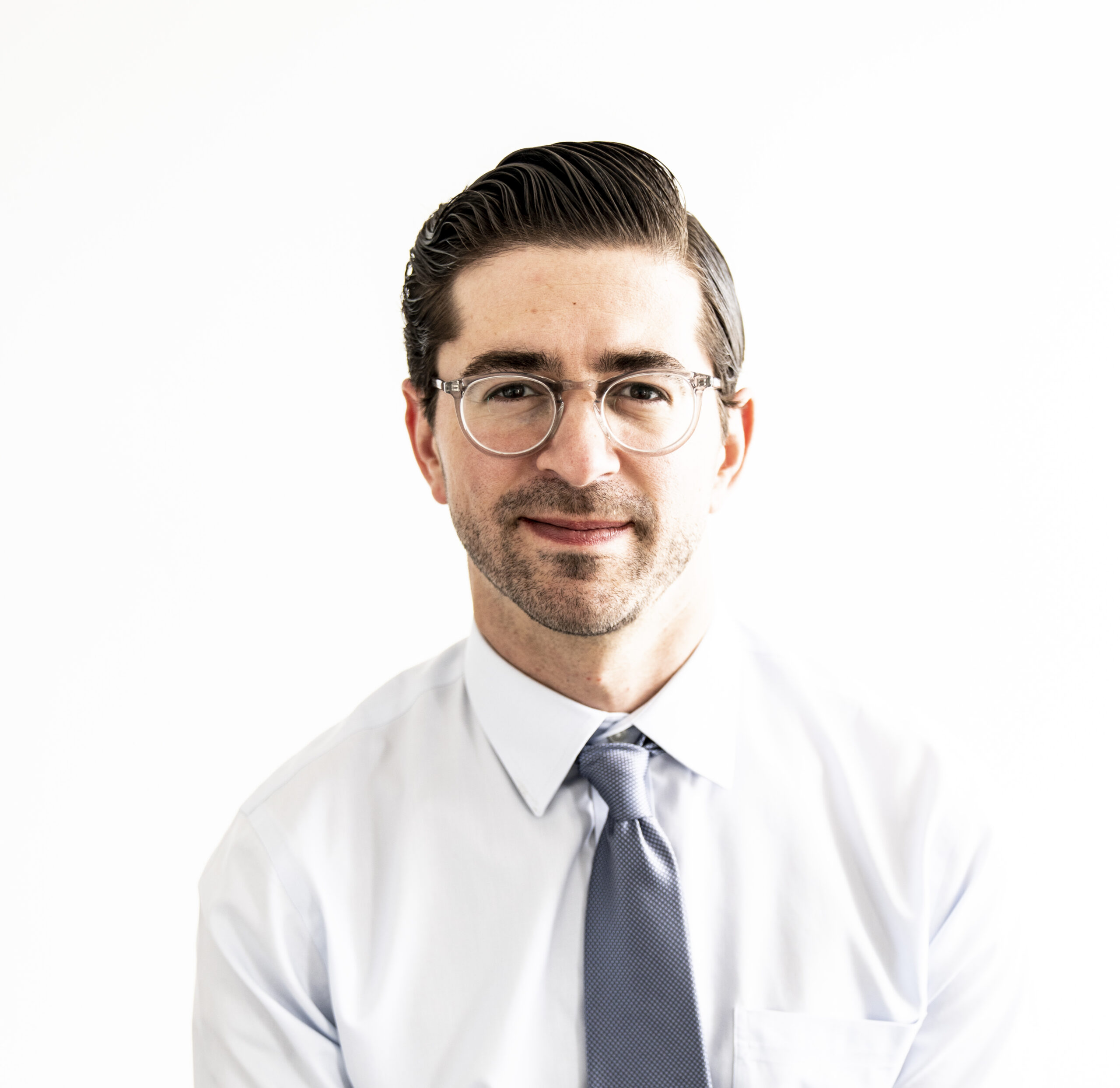
Dr. Andrew Lerman

Dr. Andrew Lerman

MD

Double Board-Certified Neurologist & Epileptologist Founder and Medical Director, Grove Neurology Principal Investigator, Visionary Investigative Network

Dr. Andrew Lerman is a double board-certified neurologist and epileptologist dedicated to providing expert, compassionate care for patients with complex neurological conditions at Grove Neurology in Miami, Florida. With a deep commitment to both clinical excellence and cutting-edge research, Dr. Lerman built a practice that integrates advanced diagnostics, innovative therapies, and lifestyle modifications, creating a comprehensive, multidisciplinary approach to patient care.

The son of a physician, Dr. Lerman grew up watching his father care for their community — a formative experience that inspired his own path in medicine. After completing his first internship year, he discovered a profound fascination with neurology. The complexity of neurological disorders, the continual pursuit of new knowledge, and the opportunity to help patients facing life-changing conditions solidified his commitment to the field. Dr. Lerman completed his neurology residency at the University of Miami/Jackson Memorial Hospital, followed by a fellowship in Epilepsy and Clinical Neurophysiology at New York University’s Langone Medical Center. He holds a Bachelor of Science in Physiology from McGill University and earned his Doctor of Medicine from St. Matthew’s University.

In his clinical practice, Dr. Lerman treats a wide spectrum of neurological disorders including epilepsy, Alzheimer’s disease, Parkinson’s disease, multiple sclerosis, CIDP, myasthenia gravis,
migraines, movement disorders, neuromuscular diseases, and cognitive decline. He performs advanced diagnostic and therapeutic procedures such as EEG, EMG/Nerve Conduction Studies,
Botox therapy, Deep Brain Stimulation (DBS), High-Intensity Focused Ultrasound (HIFU) for essential tremor, and monoclonal antibody therapies for Alzheimer’s disease. As a Principal Investigator, Dr. Lerman has led more than 35 clinical trials investigating emerging therapeutics in epilepsy, Alzheimer’s disease, Parkinson’s disease, and other neurodegenerative and autoimmune neurological disorders. His goal is to give patients direct access to the most advanced and promising treatments available — offering tomorrow’s breakthroughs today. Beyond medical treatments, Dr. Lerman is a strong believer in lifestyle modification including fitness and nutrition as essential components of neurological health. He encourages a holistic approach that empowers patients to take an active role in their healing journey — combining evidence-based medicine with meaningful lifestyle interventions to improve long-term outcomes .

Subscribe to Live Aligned with Dr. Brent

Get notified when new episodes are released and stay up to date with the latest insights on movement, rehabilitation, and Pilates education.

LEAVE A MESSAGE

Share yours thoughts, questions, or feedback width Dr. Brent.