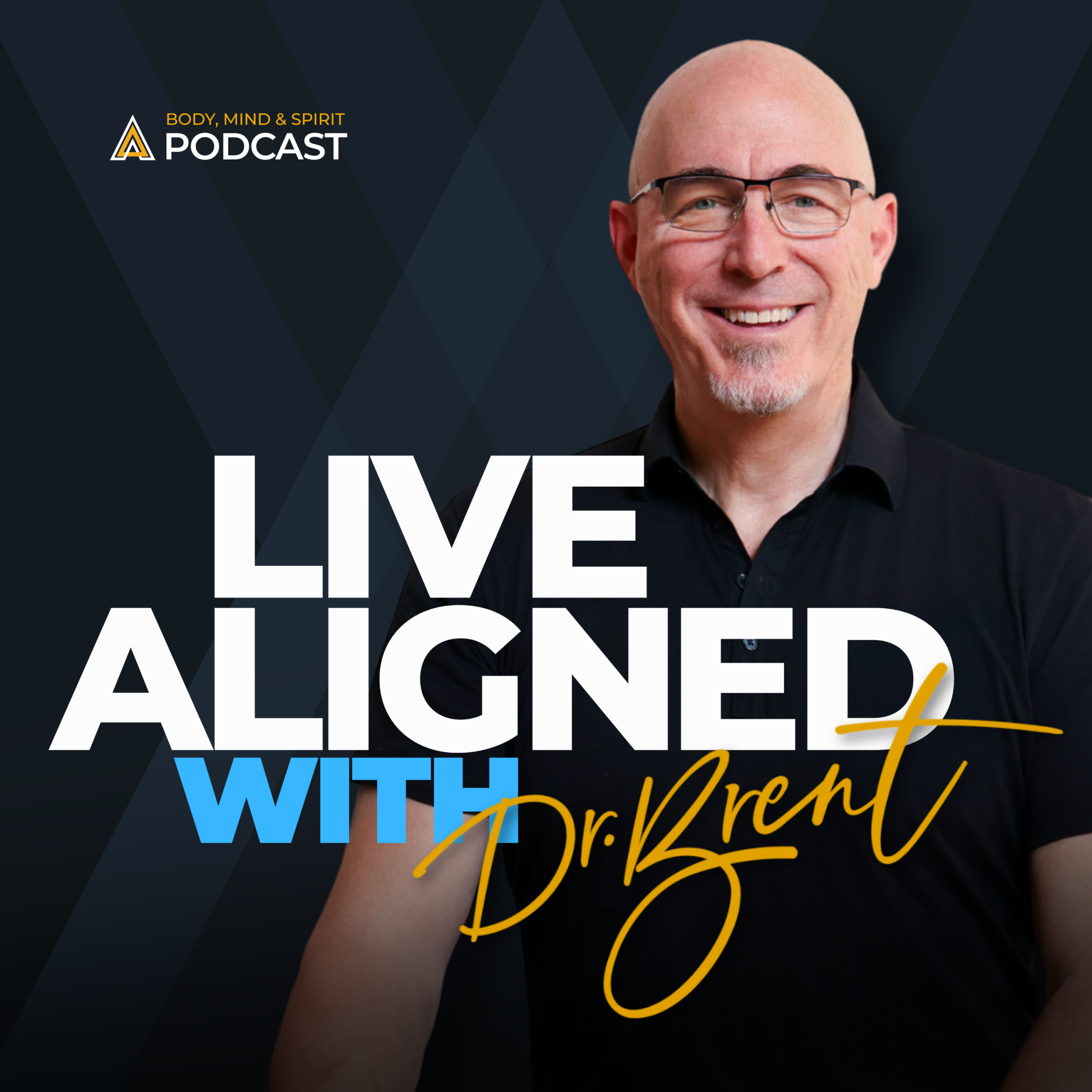
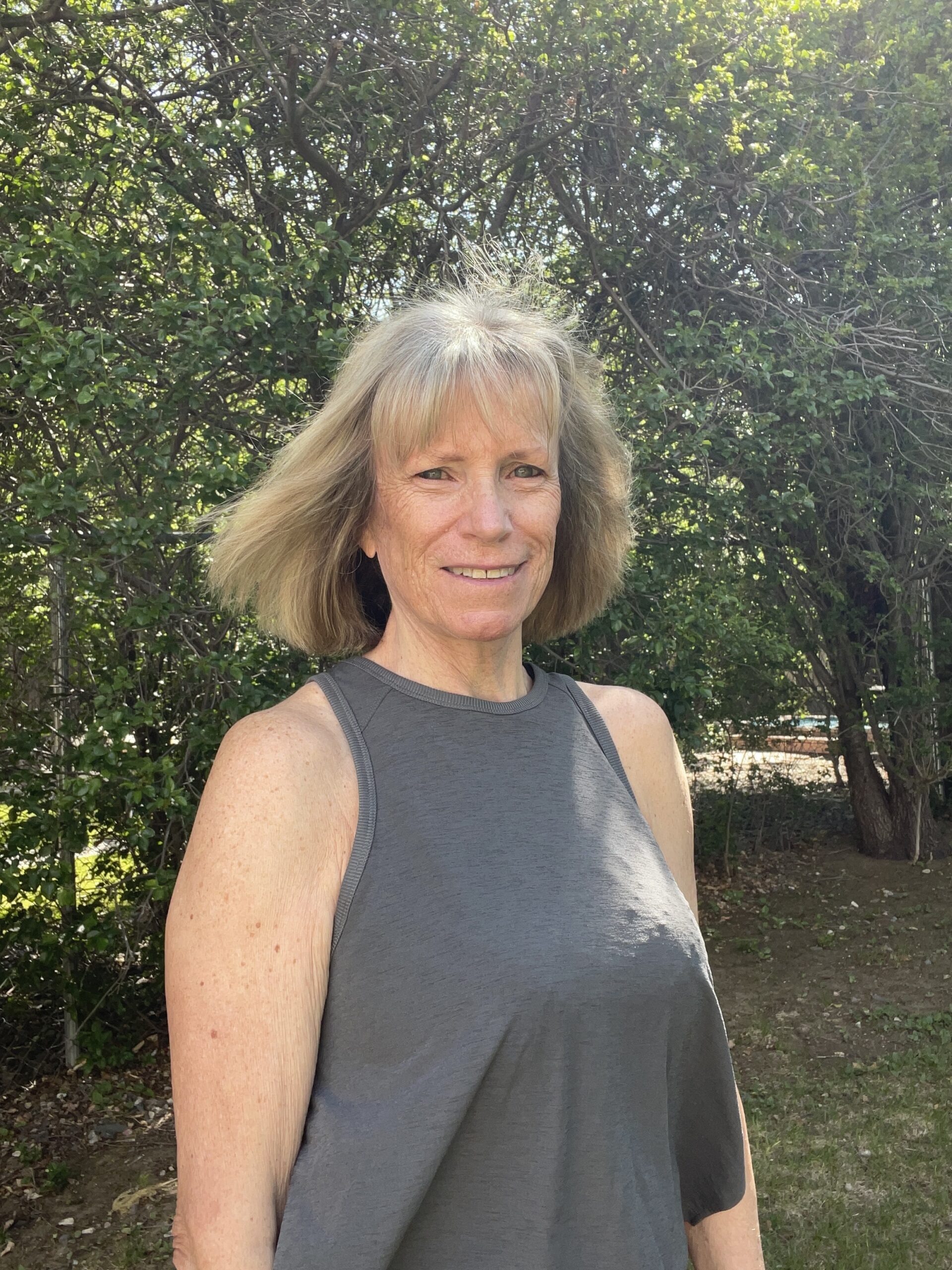
A scoliosis diagnosis can feel like a verdict — especially for a parent watching their child’s spine curve, or an adult told their pain is “just” asymmetry. But what does that diagnosis actually mean, and what can be done about it? Dr. Brent Anderson sits down with Dr. Lise Stolze, a doctor of science in orthopedic physical therapy, Schroth educator, and owner of Stolze Therapies in Denver, Colorado, to unpack the real story behind scoliosis.
Dr. Stolze breaks down the difference between structural (idiopathic) and functional scoliosis, explains how Cobb angle and vertebral rotation determine diagnosis and progression risk, and reveals why the curve you can’t see from behind — the loss of lumbar lordosis in the sagittal plane — often matters more than the one you can. She and Dr. Brent walk through what parents should watch for during growth spurts, how bracing combined with the Schroth method changes outcomes for adolescents, and why postmenopausal women make up so much of her adult caseload. They also dig into surgical options like vertebral tethering and spinal fusion, and how people with significant curves can still run marathons, play golf, and live full, active lives.
IN THIS EPISODE:
RESOURCES MENTIONED:
SOURCES & CITATIONS:
Use the code DRBRENT to save 10% off any Polestar Pilates Teacher Trainings sold on polestarpilates.com. Applies only to Pay in Full.
00:00 — Cold Open
Dr. Brent previews the episode’s core questions: what a scoliosis diagnosis actually means and what can be done about it.
03:58 — Welcome & Introduction
Dr. Brent welcomes Dr. Lise Stolze and frames her decade of work setting trends in scoliosis and spine care.
06:28 — Idiopathic vs. Functional Scoliosis
Dr. Stolze explains the key difference: structural, unknown-cause idiopathic curves versus functional curves driven by muscle imbalance or leg length.
08:50 — Cobb Angle & Diagnostic Criteria
How a 10-degree Cobb angle, vertebral rotation, and wedging combine to confirm a structural scoliosis diagnosis.
10:30 — Curve Thresholds & Progression Risk
Weinstein’s research on how curves under 30, over 60, and beyond progress at different rates over time.
12:49 — Bone Maturity & the Risser Score
Assessing skeletal growth to determine intervention windows, including candidacy for vertebral tethering.
15:40 — The BrAIST Study & Bracing
The landmark bracing trial and why combining bracing with Schroth therapy produces the best outcomes for adolescents.
18:19 — Sagittal Plane: The Overlooked Plane
Why posture viewed from the side — not just the visible curve — is critical to address first, in kids and adults alike.
18:31 — Lumbar Lordosis & Adult Pain
How losing the natural inward curve of the lower back drives disability as adults age, with or without scoliosis.
21:01 — A Tip for Parents: The Scoliometer
Dr. Stolze’s advice for parents to screen their kids at home during growth spurts.
22:58 — Origins of the Schroth Method
The history of Katharina Schroth and her daughter Krista, and how the method emerged in 1920s Germany.
25:34 — Core Tools: Axial Elongation & Breath
Decompression, rotational breathing, and postural correction as the foundational tools of Schroth therapy.
27:31 — The Marathoner Story
Dr. Brent’s own cautionary tale about “correcting” a 70-degree curve in a patient who never had pain.
28:59 — The Schwab Study: Who Needs Surgery
Research identifying sagittal alignment, lumbar curves, and trunk shift as the top predictors of surgical need in adults.
30:57 — Yellow Flags & Living Your Life
Weighing curve risk against quality of life — using the golf example to illustrate shared decision-making.
34:03 — Surgical Options: Tethering & Fusion
How vertebral tethering works for growing adolescents, and its tradeoffs compared to spinal fusion.
38:47 — Adult-Onset Scoliosis
Why degenerative, asymmetrical spine changes — not childhood scoliosis — cause most adult-onset curves.
41:11 — The Postmenopausal Connection
How hormonal changes, bone density loss, and vertebral compression combine to create new structural curves later in life.
43:40 — Closing: Tools for Everyone
Dr. Stolze previews the public exercise resources she and Hagit Bedeshevsky are developing for people living with scoliosis.
MPT, DSc
Dr. Lise Stolze, MPT, DSc, is a scoliosis and spinal conditions specialist for adolescents and adults and an SSOL-Schroth educator. She is certified through the Barcelona Scoliosis Physical Therapy School (BSPTS C2) and Scientific Exercise Approach to Scoliosis (SEAS 2). Dr. Stolze owns Stolze Therapies: Scoliosis, Spine and Movement Arts in Denver, Colorado, an orthopedic physical therapy clinic and studio for Pilates, fitness and movement. She is an active member of the International Society on Scoliosis Orthopedic and Rehabilitation Treatment (SOSORT).
Dr. Stolze earned her master’s degree in physical therapy (MPT) in 1992 at Wichita State University, and her Doctor of Science degree (DSc) in orthopedic physical therapy in 2011 through the Rocky Mountain University of Health Professions. Her doctoral dissertation, Derivation of a Preliminary Clinical Prediction Rule for Identifying a Subgroup of Patients with Low Back Pain Likely to Benefit from Pilates-Based Exercise, was published in the Journal of Orthopedic and Sports Physical Therapy in 2012. That same year, Dr. Stolze became an affiliate faculty member for the Regis University Physical Therapy program in Denver, Colorado, where she served for two years.
With a strong passion for exercise and movement, Dr. Stolze became a certified strength and conditioning specialist (CSCS) in 1994 through the National Strength and Conditioning Association (NSCA). She trained with Fletcher Pilates and Polestar Pilates and became an educator for Polestar in 2001. She was certified through the National Pilates Certification Program. She trained and was certified in the GYROTONIC EXPANSION SYSTEM® in 1995, and became a registered yoga teacher through the Yoga Teacher Alliance.
Understanding the need for fitness professionals to be knowledgeable in coaching clients with scoliosis, Dr. Stolze co-founded the course Pilates Adaptations for People with Scoliosis Supporting the Principles of the Schroth Method with Hagit Berdishevsky in 2016, and has presented this course internationally through Polestar Pilates. This course has now expanded into a more comprehensive online course, Scoliosis and Spinal Conditions Pilates Master Class, and a live general fitness course, Scoliosis and Spinal Conditions Fitness Master Class.
Her current collaborative research, Best Practice Fitness Exercise Guidelines for Adults with Spinal Disorders: A Delphi Survey, attempts to set recommendations for physical therapists and fitness professionals working with adults who have scoliosis and other spinal disorders.
Dr. Stolze has presented nationally at the PMA Annual Conference, the American Physical Therapy Association Combined Sections Meeting, and at Pilates on Tour. She has presented her scoliosis research internationally at the annual SOSORT conference and at the 10th Interdisciplinary World Congress on Low Back & Pelvic Girdle Pain.
Get notified when new episodes are released and stay up to date with the latest insights on movement, rehabilitation, and Pilates education.