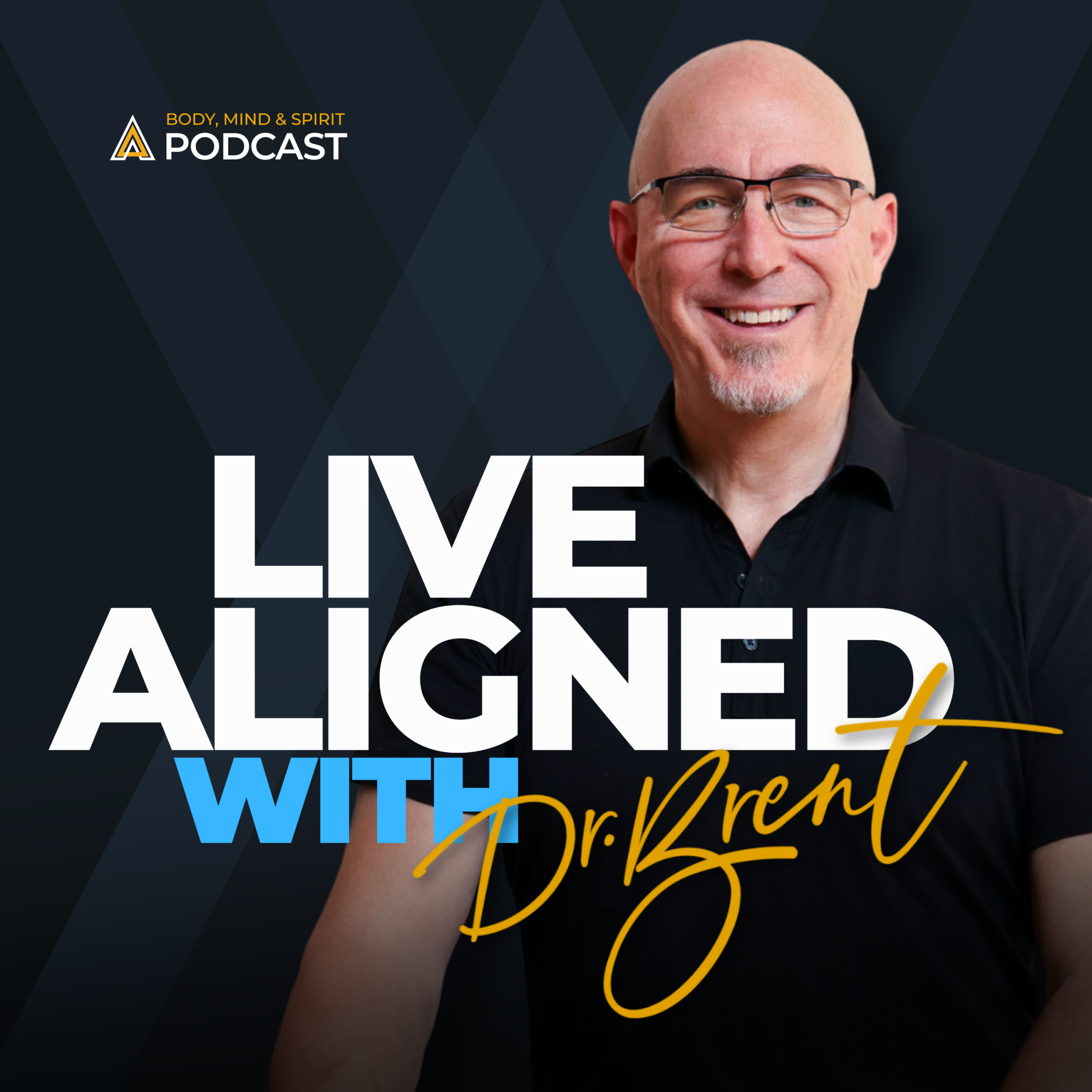
S1E6 – Focal Dystonia: How the Brain Loses Coordination with Dr. Nancy Byl

Dr. Nancy Byl — a pioneer of neuroplasticity research and longtime collaborator of neuroscientist Michael Merzenich — explains how rapid, repetitive fine-motor movement can literally "smudge" the brain's sensory map, and why that map can be redrawn. Together, she and Dr. Brent explore why perfectionism and type-A drive raise the risk, how foreign environments and novel sensory inputs unlock recovery, and why belief in the brain's ability to change is essential to getting better. Above all, their conversation is a message of hope — the same brain that learned the dysfunction can be retrained out of it.

Listen on:

Listen on:

Imagine spending your whole life mastering an instrument — and then, one day, your hand simply stops obeying you. The fingers curl, stick to the keys, or pull away on their own. For the small number of musicians who develop focal hand dystonia, it can feel like the end of a career and an identity. But the story of this condition — once dismissed as “all in your head” — has changed dramatically. Dr. Brent Anderson is joined by his mentor of nearly 40 years, Dr. Nancy Byl, professor and chair emeritus at UC San Francisco, who helped transform our understanding of focal dystonia from a psychological mystery into a trainable brain disorder.

Dr. Nancy Byl — a pioneer of neuroplasticity research and longtime collaborator of neuroscientist Michael Merzenich — explains how rapid, repetitive fine-motor movement can literally “smudge” the brain’s sensory map, and why that map can be redrawn. Together, she and Dr. Brent explore why perfectionism and type-A drive raise the risk, how foreign environments and novel sensory inputs unlock recovery, and why belief in the brain’s ability to change is essential to getting better. Above all, their conversation is a message of hope — the same brain that learned the dysfunction can be retrained out of it.

IN THIS EPISODE:

  • What focal dystonia actually is — and why it’s the third most common movement disorder
  • The famous primate experiments that proved the sensory cortex remaps under repetitive strain
  • Why perfectionism and a driven, type-A temperament raise the risk
  • How foreign environments — a saxophone played lying down, an inversion table, painting on bone — restore coordinated movement
  • The roles of mental imagery, dual-tasking, and reading Braille in retraining the brain
  • Why education and a belief in neuroplasticity matter as much as any single technique
  • Other forms worth knowing — runner’s dystonia, drummer’s dystonia, and the Parkinson’s connection

RESOURCES MENTIONED:

  • Dr. Nancy Byl — professor and chair emeritus, UC San Francisco Department of Physical Therapy and Rehabilitation Science
  • Michael Merzenich, PhD — neuroscientist and “father of neuroplasticity,” Dr. Byl’s longtime research collaborator
  • Journal of Performing Arts Medicine — peer-reviewed journal where Dr. Byl has served as editor
  • Society for Neuroscience — where the paradigm-shifting focal dystonia findings were first presented
  • Carol Davis, PT, EdD — her work on having patients tell their own story as part of healing

SOURCES AND CITATIONS:

  • Byl NN, Merzenich MM, Jenkins WM. A primate genesis model of focal dystonia and repetitive strain injury: I. Learning-induced dedifferentiation of the representation of the hand in the primary somatosensory cortex in adult monkeys. Neurology. 1996;47(2):508-520.
  • Byl NN, Merzenich MM, Cheung S, Bedenbaugh P, Nagarajan SS, Jenkins WM. A primate model for studying focal dystonia and repetitive strain injury: effects on the primary somatosensory cortex. Phys Ther. 1997;77(3):269-284

0:00 Intro: When a Musician’s Hand No Longer Obeys

A world-class musician’s fingers stop obeying — curling involuntarily, sticking on keys, or jerking away from the instrument entirely. Dr. Brent frames focal hand dystonia as both a medical mystery and a potential career-ending crisis.

0:27 Meet Dr. Nancy Byl: A Pioneer in Neuroplasticity

Professor and chair emeritus at UC San Francisco, Dr. Byl’s research with neuroscientist Michael Merzenich proved focal dystonia involves actual remapping of the sensory cortex — remapping that can be reversed through targeted retraining.

4:16 Welcome & a 40-Year Mentorship

Dr. Brent introduces Dr. Byl as his mentor of nearly 40 years, the person who first talked him into pursuing a PhD and introduced him to the world of music medicine.

8:05 Why Focal Dystonia? Dr. Byl’s Origin Story

How a chance role as faculty consultant for a new performing artists health program at UCSF led Dr. Byl into a career studying focal hand dystonia — a condition doctors of the time dismissed as purely psychological.

9:54 The Groundbreaking Primate Study with Michael Merzenich

Training monkeys to repeatedly open and close a handpiece for food, then mapping their brains over five-day sessions — the experiment that first revealed a disorganized sensory cortex in animals with movement dysfunction.

13:02 Mapping the “Smudged” Sensory Cortex

What it means when precise receptive fields on the fingertips become large and “smudged” together — plus a real case of a trumpet player whose lip injury triggered dystonia in his hand.

15:44 Defining Dystonia and Why It’s Often Misdiagnosed

Dystonia is the third most common movement disorder, yet patients are routinely told they’re “just anxious.” Why an accurate diagnosis takes so long — and how surgery meant to “fix” the fingers often makes things worse.

19:01 Behavioral Retraining vs. Botox

Dr. Byl explains her behavioral, input-based treatment approach — and why a 2022 review of the literature still devoted 90% of its focus to Botox.

22:30 The Salzburg Study: Lifestyle, Practice, and Risk

Data from elite music students in Salzburg linking neural tension symptoms to lifestyle — those without symptoms were more likely to swim, do yoga, and report lower performance anxiety.

24:57 Case Study: The Dentist Who Could Scrape Bone but Not Teeth

A young dentist developed dystonia only when working inside a live mouth. Dr. Byl recreates his exact hand position on a painted pelvis bone to isolate the trigger.

26:04 Perfectionism and Type A Personality as Risk Factors

The number one personality trait Dr. Byl sees in dystonia patients — and a recent study showing musicians test as even more perfectionistic than physicians.

26:54 Dr. Byl’s Own Diagnosis: Treating the Therapist

Dr. Byl developed thumb dystonia herself after a storm-damaged computer forced her into marathon data-entry sessions — and had to go through her own retraining protocol.

28:19 Finding “Foreign Environments” to Retrain the Brain

Lying a saxophonist on his back, inverting a patient with cervical dystonia — how radically changing body orientation can instantly restore coordinated movement.

32:31 Why Retraining Demands Belief in Neuroplasticity

Even physicians and patients still doubt the brain can truly relearn. Dr. Byl on why commitment, repetition, and belief are inseparable from recovery.

34:20 Patient Wins: The Violinist and the Braille Pianist

A violinist who recovered through mental practice alone, and a pianist who used Braille reading to rebuild sensory discrimination — until she quit, relapsed, and started again.

38:00 Beyond the Hand: Voice, Foot, and Runner’s Dystonia

Focal dystonia isn’t just hands — spasmodic dysphonia in singers, foot dystonia in drummers, and “runner’s dystonia,” including a case that turned out to be undiagnosed Parkinson’s disease.

40:53 Dual Tasking and the Power of Mental Imagery

Why combining cognitive challenges — catch, puzzles, storytelling — with movement retraining accelerates recovery, and how visualizing a task before performing it improves outcomes.

42:13 Parkinson’s, Dopamine, and Delaying Medication

A 20-year friendship with an oncologist living with Parkinson’s — why Dr. Byl’s mentor believes delaying dopamine and up-regulating it naturally through learning-based activity can soften future medication needs.

46:53 Alignment and Internal Locus of Control

Tying the conversation back to Live Aligned’s core theme — why an internal locus of control, not a quick fix, drives lasting recovery from movement disorders.

51:52 Closing Thoughts: Trust the Process

Dr. Brent and Dr. Byl close with a personal story about breaking the “rules” of post-surgical rest — and a warm goodbye between two old friends.
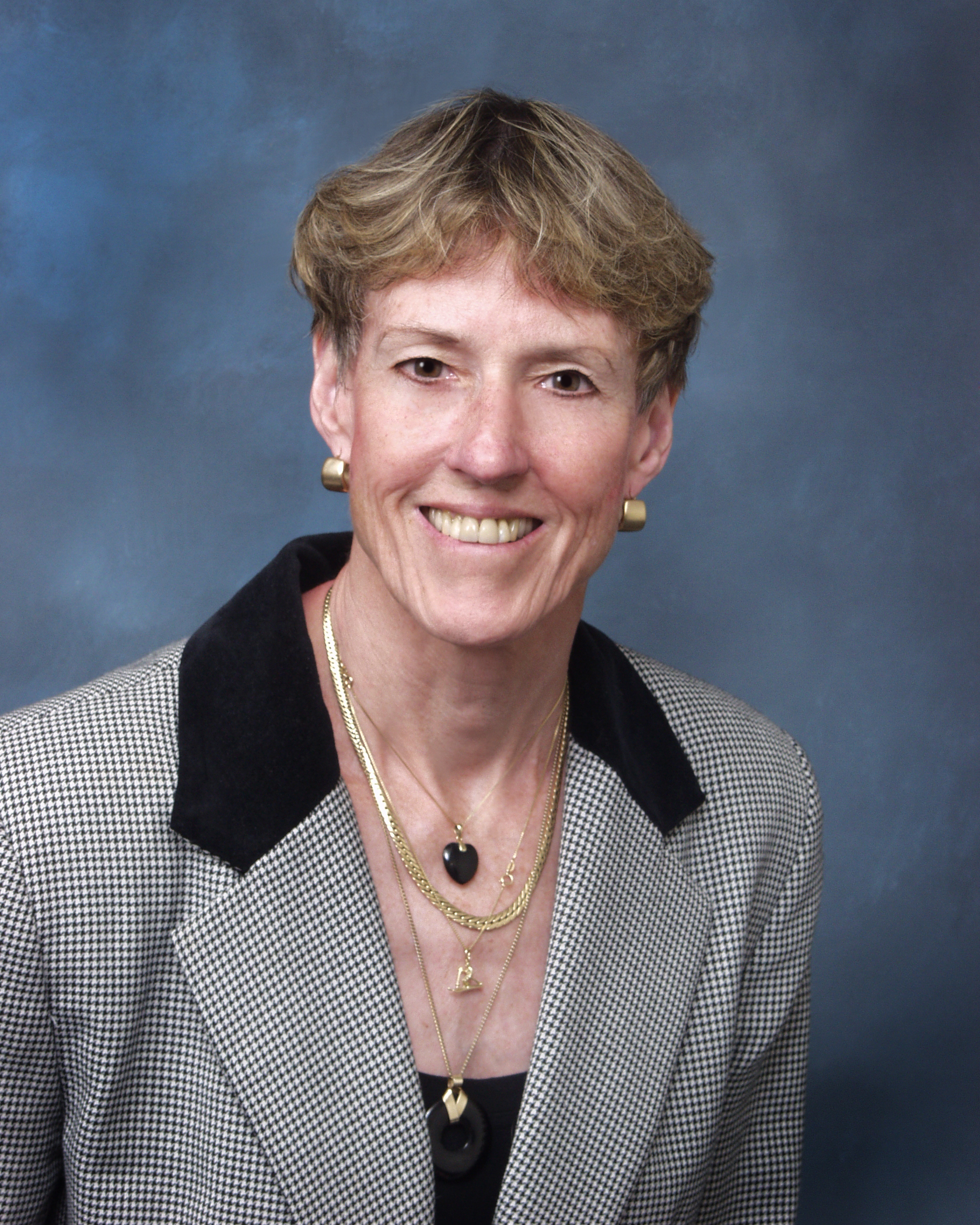
Dr. Nancy Byl

Dr. Nancy Byl

BS, MPH, PT, PhD, FAPTA

Dr. Byl has been a practicing clinician in physical therapy for 56 years She assumed leadership as Department Chair and participated in academic development, teaching and administration in the UCSF/SFSU Graduate Program in Physical Therapy. As a researcher, she transitioned from animal based models of wound healing and overuse syndromes to clinical research studying the etiology of focal dystonia to applications of rehabilitation technology and learning based intervention strategies to facilitate recovery of function in patients with focal dystonia, CVA, PD and brain trauma. Working with collaborators in neuroscience, we designed an animal model to study the etiology of focal hand dystonia and created a paradigm shift in the understanding of focal dystonia as a case of neural maladaptation of sensory and motor processing. Using imaging techniques, we demonstrated that learning based sensorimotor training for patients with focal dystonia not only improved sensory discrimination and accuracy but modified the topography of the sensory cortex, improved the neuronal firing patterns to be closer to normal as well as improved motor control. She has consistently provided consultations, direct patient care, group exercises and classes of intensive exercise for patients with PD and FHD. Dr. Byl currently serves as a volunteer faculty member in the Osher Learning Center, University of Nevada, Reno and volunteers as a clinician in the Boyd Etter Physical Therapy Practice (PTN) in Reno. In California, she continue to serve on the Education Committee, Chair the Quality Practice Committee and serve as President of the PT Fund

Subscribe to Live Aligned with Dr. Brent

Get notified when new episodes are released and stay up to date with the latest insights on movement, rehabilitation, and Pilates education.

LEAVE A MESSAGE

Share yours thoughts, questions, or feedback width Dr. Brent.